
The latest European design—built better in Canada
Europe continues to lead many of the design ideas behind modern high-performance windows: energy-efficient frame geometry, robust tilt-and-turn operation, continuous gaskets, multipoint locking, sophisticated glazing and the ability to carry large areas of glass with refined sightlines.
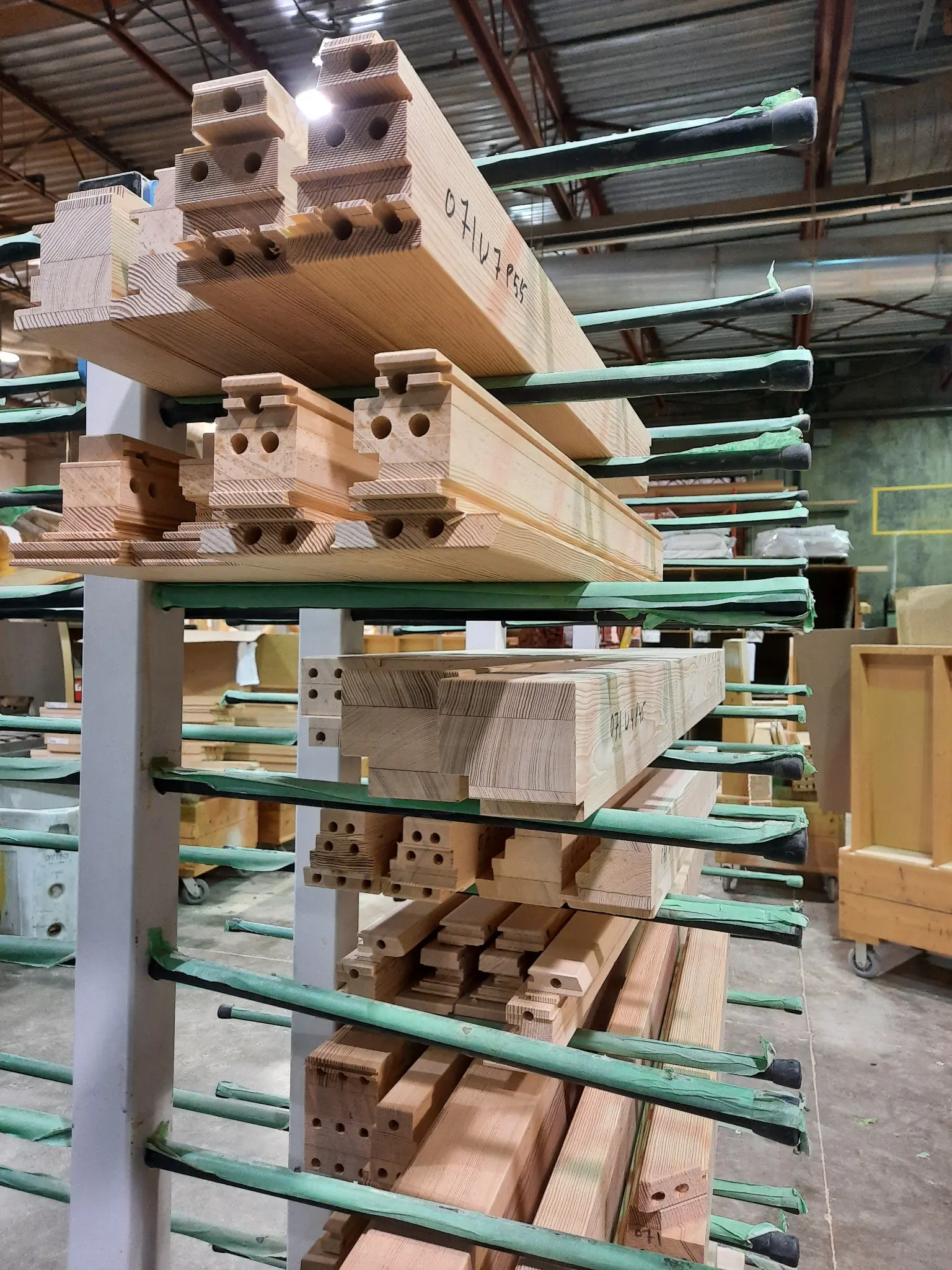
Fenstür uses that latest generation of European design together with premium European hardware and coating systems. We then build the complete window in British Columbia from exceptional Canadian-grown wood, using advanced machinery and configurations tested for North American construction. The result is not an imitation of a European window—it is an opportunity to build an even better one here.
What changes when the manufacturer is closer
The practical differences often appear after the product has been selected: during detailing, approvals, delivery, installation and service.
| Project issue | North American manufacturer | Direct European import |
|---|---|---|
| Design communication | Direct regional collaboration | Often routed across time zones and organizations |
| Codes and testing | Can be aligned with North American requirements | Documentation must be checked for local acceptance |
| Customization | Factory decisions can stay connected to the project | May be limited by export program or distributor |
| Freight | Ground or regional freight | Ocean freight, customs and inland delivery |
| Service | Manufacturer is within the same market | Parts and support may cross borders and time zones |
| Currency | Reduced exchange-rate exposure | Pricing may change with exchange and import costs |
Compare verified performance, not assumptions
An imported window is not automatically higher performing, and a locally manufactured window is not automatically better supported. Ask both suppliers for evidence that applies to the actual product family and configuration.
Review whole-window thermal values, air and water testing, structural ratings, glass makeups, hardware capacity and certified-component data where applicable. Confirm whether quoted values represent a standard test size, centre-of-glass result or the actual window dimensions in the project.
North American construction details still matter
Window performance depends on how the frame meets the wall. North American projects use many wall assemblies, rainscreen depths, membranes, structural openings and installation sequences. A supplier who understands those conditions can help resolve flange-free installation, sill support, drainage and finish transitions before manufacturing.
This is particularly important for custom homes, coastal exposure, mountain climates, large glass and Passive House work. A technically excellent window can still underperform if the opening, delivery or installation plan is unresolved.
The strongest parts of Europe and Canada in one window
A fair comparison includes the complete product: design, wood quality, hardware, coatings, testing, freight, customs, currency, installation support, replacement parts and the cost of correcting an error. It also includes the value of getting sizes, species, colour, cladding, hardware and glass right the first time.
Fenstür combines the newest European design thinking and premium European components with wood fibre Canada is famous for growing, an advanced Vancouver Island factory, North American testing and direct service. European suppliers and window professionals who tour our facility regularly leave impressed by the machinery, processes and finished quality they see here.
Questions to ask every window supplier
Use the same checklist for domestic and imported proposals so that the comparison stays objective.
- Who is responsible for technical review and final dimensions?
- What whole-window and structural data applies to this configuration?
- How are replacement glass, gaskets and hardware supplied later?
- Who supports installation questions on site?
- What is included in freight, customs, storage and delivery?
- Can wood species, profiles, finishes and cladding be coordinated across products?
- How are damage, shortages or manufacturing corrections handled?
Common questions
Frequently asked questions
Are European windows better than North American windows?
Some European systems are excellent, but importing a finished window does not automatically make it better. Fenstür uses latest-generation European design, hardware and coating technology, then adds exceptional Canadian wood, advanced Canadian manufacturing, North American testing and direct factory support.
Can European-style tilt-and-turn windows be made in North America?
Yes. Fenstür manufactures modern tilt-and-turn windows in British Columbia using premium European multipoint hardware, continuous gaskets and high-performance glazing within substantial engineered Canadian timber frames.
What costs are easy to miss when importing windows?
Freight, customs, exchange rates, storage, unloading, replacement parts, service travel and the consequences of dimensional or specification errors should all be included.